Understand Your
Baby's Cries
Instantly
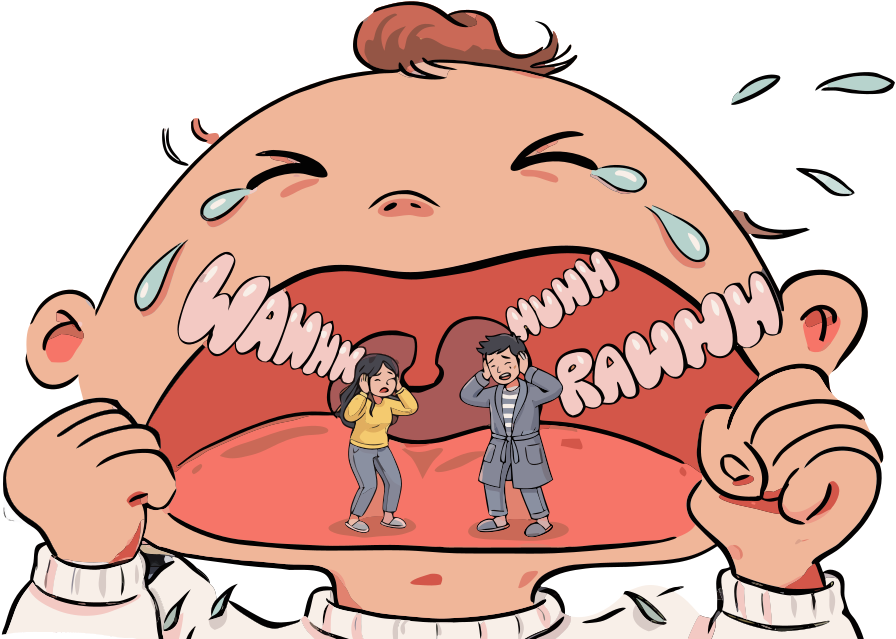
Stop guessing why your baby is crying. Our AI listens to your baby's cry and translates it into their needs using a science-backed AI approach.




Available for iPhone, Apple Watch & Android



9 out of 10 parents
don't know why
their baby is crying.
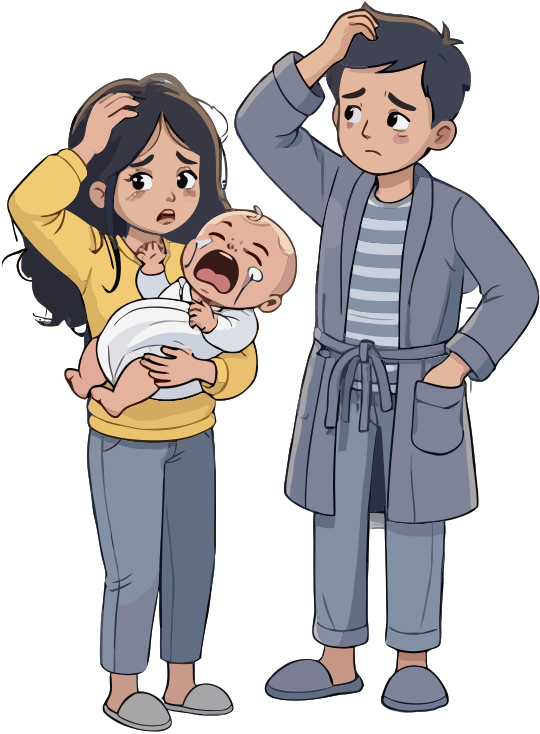
Why is my baby crying?
At 2 a.m., almost every cry can sound the same, but most newborn crying still comes from a small set of needs: hunger, sleepiness, physical discomfort, trapped air, or lower-belly gas. The useful clue often appears before the loud phase. Many babies produce short reflex-linked sounds first. This is the core idea behind the pre-cry sound method.
In newborn sound research, these early cues are commonly grouped as Neh (hunger), Owh (sleepiness), Heh (discomfort), Eh (needs to burp), and Eairh (lower gas pressure). These are not words in a spoken language. They are recurring vocal patterns tied to reflex activity and often heard during the first months.
BabyLanguage by BabyReco uses AI as a baby cry analyzer and baby cry translator to detect these patterns from a short audio sample. It does not replace parental judgment or medical care, but it gives a practical first direction faster than trial-and-error soothing. If crying is severe, unusual, or persistent, contact your pediatrician.
Your baby is already
talking. We help you
understand.


Trusted by Parents, Backed by Science
Every baby, regardless of culture or language, makes these reflex sounds before they cry. Listen closely to understand their needs.
Neh
"Nnnn-eh"
"Neh" is the classic hunger signal in the pre-cry sound method. It comes from the sucking reflex: the tongue pushes toward the roof of the mouth and creates the "N" start before full crying escalates.
You often hear it together with early hunger cues like lip smacking, rooting, hand-to-mouth movements, and repeated mouth opening. The best response is to feed early instead of waiting for intense crying. During the first weeks, many babies feed around 8-12 times per day. A deep latch or paced bottle feeding can reduce swallowed air and make feeds calmer. BabyLanguage by BabyReco uses cry analyzer patterns to detect this cue fast, so parents can start with feeding first rather than guessing through multiple options.
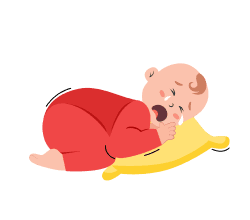
Owh
"Oooo-wh"
"Owh" usually means your baby is tired and ready for sleep. It is linked to the yawn reflex: the mouth opens wide in an oval shape and produces a round, softer sound before distressed crying begins.
You can often spot it with yawning, eye rubbing, blank staring, or slowing body movements. Timing matters: newborn wake windows are often short (about 45-60 minutes), so delayed soothing can quickly turn into overtired crying. When you hear "Owh," lower stimulation, dim lights, reduce noise, and start a short wind-down routine. White noise and gentle rocking can help. BabyLanguage by BabyReco uses baby cry translator pattern matching to flag this cue early, helping parents move to sleep support before crying becomes harder to settle.

Heh
"H-eh-h"
"Heh" is commonly linked to physical discomfort. It is often triggered by a skin reflex and sounds breathy, especially when your baby is bothered by heat, cold, a wet diaper, or irritating clothing.
Parents may notice squirming, back arching, kicking, pulling at clothes, or brief calming after repositioning. A practical check is usually enough: diaper status, room temperature (often around 68-72 F / 20-22 C), tight seams, scratchy tags, hair around fingers or toes, and general overstimulation. Because this cue is about comfort, quick environmental adjustments can prevent escalation. In BabyLanguage by BabyReco, the cry analyzer treats "Heh" as a "body-check first" signal, so you can run the right checks in minutes instead of cycling through feeding and rocking first.
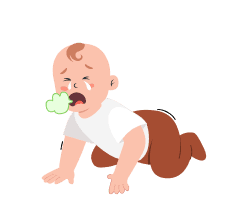
Eh
"Ehhh-eh"
"Eh" usually points to trapped air and the need to burp. The sound is short and repetitive because a trapped air bubble can create chest pressure after or during feeding.
Typical signs include pulling away from the breast or bottle, sudden fussing mid-feed, back arching, or crying soon after eating. The first step is to pause feeding and burp using a comfortable position: over the shoulder, sitting on your lap, or tummy-down across your lap. Support head and neck, keep movements gentle, and avoid rushed patting. Upright feeding and paced bottle flow can also reduce air intake. BabyLanguage by BabyReco recognizes this pattern as a burping-first cue, helping parents act sooner and reduce spit-up and discomfort before it turns into longer crying episodes.
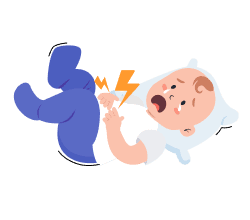
Eairh
"Eair-ghhh"
"Eairh" is often associated with lower abdominal gas pain. It can sound strained or urgent, and babies may pull legs up, stiffen their body, clench fists, or turn red while trying to release pressure.
Unlike a simple burp cue, this signal usually needs gut-soothing steps: gentle clockwise tummy massage, slow bicycle-leg movements, supervised tummy time between feeds, and keeping your baby upright for 10-15 minutes after feeding. If you massage, wait a short period after feeds so the belly is more comfortable. Smaller, calmer, paced feeds can also lower future gas buildup. BabyLanguage by BabyReco marks "Eairh" as a lower-gut discomfort pattern so parents can start targeted relief sooner. If crying is persistent, severe, or unusual, contact your pediatrician.
Scientific Backing
BabyLanguage by BabyReco is built around a pre-cry sound method: short reflex sounds many newborns produce before full crying escalates. These signals are not random noise. Hunger, sleepiness, discomfort, need to burp, and lower gas involve different reflex pathways in the mouth, chest, skin, and abdomen, and those states can produce different sound patterns. A 2023 exploratory multimodal study published in Computers in Biology and Medicine collected data from 38 healthy full-term newborns and analyzed cry acoustics, brain activity, oxygenation, facial expressions, and body movements. The study reported significant differences across cry types and achieved 92% accuracy on its dataset. In our internal validation, the current BabyLanguage by BabyReco model reached 97.92% accuracy using cutting-edge audio and multimodal AI methods. In everyday life, parents often hear repeatable cues such as Neh, Owh, Heh, Eh, and Eairh. The app records a short sample and maps it to the most likely pattern, so parents can start with the right response sooner instead of cycling through guesswork. This is a practical decision aid, not a medical diagnosis. If crying is persistent, unusually intense, weak, or high-pitched, contact your pediatrician.
How it Works → Exploratory multimodal study: 38 healthy full-term newborns
- Signals assessed with acoustics, EEG, NIRS, facial and body cues
- Published result: 92% on the study dataset
- BabyLanguage by BabyReco internal model benchmark: 97.92% (cutting-edge approaches)


Brain activity patterns during reflex states
Sources
- Laguna A. et al. (2023). Multi-modal analysis of infant cry types characterization: Acoustics, body language and brain signals. Computers in Biology and Medicine, 167, 107626. DOI · ScienceDirect
- Liang Y.-C. et al. (2022). Deep Learning for Infant Cry Recognition. International Journal of Environmental Research and Public Health, 19(10), 6311. DOI · Article
- Hammoud M. et al. (2024). Machine learning-based infant crying interpretation. Frontiers in Artificial Intelligence, 7, 1337356. DOI · Article
- Ji C. et al. (2021). A review of infant cry analysis and classification. EURASIP Journal on Audio, Speech, and Music Processing, 2021(8). DOI · Article
Frequently Asked Questions
Short practical answers about common pre-cry sounds and what to do first.
What does "Neh" mean in baby language?
You usually hear "Neh" shortly before crying escalates. It tends to come from the sucking reflex: the tongue presses up to the palate and gives the cry an "n" start. Most parents notice it with classic early hunger cues: lip smacking, rooting, hand-to-mouth movements, and restless head turns.
Best response is to feed early, while your baby is still calm. Latch and digestion are often smoother then than after prolonged crying. In the first weeks, 8-12 feeds in 24 hours is common. If "Neh" returns soon after a feed, check latch quality, pause for a quick burp, and reassess cues before feeding again.
Cry Analyzer uses acoustic patterns to flag likely hunger quickly. If weight gain, diaper counts, or feeding comfort are unclear, track a few days and review that log with your pediatrician.
One practical tip: do not wait only for the clock. If "Neh" and body cues are clear, respond to your baby, not a rigid schedule.
What does "Owh" mean in baby language?
"Owh" is usually the "I am tired" cue. It often appears around yawning: the mouth shape gets rounder and the sound becomes softer and longer. You may also notice short staring spells, eye rubbing, less engagement, and small waves of fussiness.
Act early if you can. Dim the lights, lower noise, and move into your usual sleep routine. Newborn wake windows are often short, around 45-60 minutes, so timing matters more than most parents expect. Repeating the same wind-down sequence each day usually makes settling easier.
Cry Analyzer treats "Owh" as a sleep-priority cue. If it appears around the same time each day, start winding down 10-15 minutes earlier.
If bedtime suddenly gets harder, review the previous wake period. In many families the fix is simple: a shorter wake window, less stimulation, and a calmer handoff into sleep.
Parents often say this cue is easy to miss because it starts softly. Catching that soft start usually prevents the longer overtired cry that is much harder to settle.
What does "Heh" mean in baby language?
"Heh" usually points to discomfort, not hunger. It can show up with a wet diaper, tight clothing, too much or too little warmth, or fabric seams rubbing sensitive skin.
The sound is often short and breathy. Babies may squirm, lightly arch, clench fingers, and stay unsettled even after feeding. A quick comfort sweep helps most families: diaper, room temperature, clothing layers, and friction points on skin. Brief skin-to-skin contact and fewer sensory triggers can calm things faster than trying random soothing methods.
Cry Analyzer marks this as a comfort-check pattern. If it keeps repeating, log what changed in clothing, room temperature, or diaper routine so the trigger becomes obvious sooner.
If checks keep failing, change one variable at a time. That makes it much easier to see what actually helps and what does not.
When one change works, keep it stable for a day before changing anything else. Consistency is what turns guesswork into a clear pattern.
What does "Eh" mean in baby language?
"Eh" is often a burping cue caused by trapped air in the upper digestive tract. You may hear short repetitive sounds during or right after feeding. Babies can pull away from breast or bottle, tense the torso, then cry again within minutes.
Try burping in sequence: over shoulder, seated with chin support, then across your lap. Use gentle pats or circular back rubs. Slower pacing and short pauses during feeding can reduce extra air intake, and staying upright for 10-15 minutes after feeds often helps.
Cry Analyzer flags "Eh" early so you can try burping first instead of guessing. If this cue appears in most feeds, review bottle flow, latch depth, and feeding rhythm.
If air does not release right away, slow down and hold each position a little longer before switching. Calm pacing usually works better than force.
Many families notice improvement within a day once pacing and pauses improve. Small technique tweaks are often enough to reduce repeated fussing.
What does "Eairh" mean in baby language?
"Eairh" usually suggests lower-belly pressure or gas. Compared with "Eh", it often sounds tighter and more strained. Common body signs are leg pulling, sudden leg extension, belly tension, facial grimacing, and evening restlessness.
Start with gentle pressure-relief steps: clockwise tummy massage, slow bicycle legs, and calm flexed holding. Keep stimulation low and add warmth if it helps your baby relax. Avoid pressing hard on the abdomen; smooth rhythmic movement works better for most babies.
Cry Analyzer marks this as a likely lower-abdominal discomfort pattern. If symptoms are severe or include fever, vomiting, blood in stool, or poor feeding, contact your pediatrician promptly.
A simple evening log can help a lot here: feed time, symptom onset, and what worked. After a few days, patterns usually become clearer.
It is better to compare two or three evenings than judge one difficult night. That broader view helps you repeat what worked and skip what clearly did not.
Why does my baby cry at night?
Night crying usually comes from the same needs as daytime — hunger, a wet diaper, discomfort, or being overtired — they are just harder to read in the dark. The sound often gives it away: a rhythmic, building "Neh" points to hunger, while a softer, drawn-out "Owh" usually means overtiredness.
A few habits help most families: keep night feeds calm and low-light, check the comfort basics first (diaper, room temperature, layers), and watch the previous wake window, because an overtired baby fights sleep harder.
Cry Analyzer listens to the cry and suggests the most likely reason in a few seconds, so you can respond without fully waking up. If night crying is sudden, inconsolable, or comes with fever, check with your pediatrician.
How can I tell if my baby has colic or is just hungry?
A hunger cry is usually rhythmic and eases soon after a feed, often with early cues like rooting, lip smacking, and hand-to-mouth movements. Colicky crying is more intense, hard to soothe, and tends to cluster in the late afternoon or evening for long stretches even when your baby is fed, dry, and rested.
Colic is a pattern of crying, not an illness, and most babies grow out of it. Gentle, low-stimulation soothing — a calm hold, a quiet room, and a steady rhythm — usually helps more than trying many methods at once.
Cry Analyzer compares the acoustic pattern against five cry types to flag which is more likely, so you spend less time guessing. If the crying is extreme, or you are worried about feeding, weight, or any other symptom, your pediatrician is the right call.
What are the different types of baby cries?
Most newborn cries fall into a small set of sound-based types. Our app groups them into five: hunger ("Neh"), tiredness ("Owh"), needing a burp ("Eh"), discomfort ("Heh"), and lower-belly pain or gas ("Eairh"). Each one has a distinct rhythm and pitch.
Learning the type points you to the likely need faster than trial and error. The differences are subtle by ear, especially in the first weeks, which is exactly where acoustic analysis helps.
Cry Analyzer matches the sound to the closest type and shows the most likely reason, turning a confusing cry into a clear starting point.
Why is my newborn crying for no reason?
There is almost always a reason — it is just hard to read in the first weeks. Beyond hunger and sleep, common triggers are a wet diaper, being too warm or cold, overstimulation, trapped air after a feed, or simply needing closeness and contact.
A quick top-to-bottom check (diaper, temperature, last feed, last nap, stimulation level) clears up most "no reason" moments. Calm, repetitive soothing usually works better than switching methods every minute.
Cry Analyzer turns the cry sound into a most-likely cause, so "no reason" becomes a place to start. Persistent, high-pitched, or inconsolable crying is always worth a pediatric check.
Less guessing.
More connection.

"A lifesaver for new parents"
“I was skeptical at first, but when the app said 'Hunger' and I fed my baby, he stopped crying instantly. Magic!”
“The soothing sounds are perfect. The interface is so gentle on the eyes during late night feeds.”
“Finally understand the difference between belly pain and hunger. It has changed our nights completely.”
Start Your Parenting Journey WithConfidence
Download today and get a 3-day free trial of premium features.






Soothing Sounds Library
Access a curated library of white noise, lullabies, and womb sounds designed to calm your baby instantly.
Smart Timer & Auto-Off
Set a timer for the soothing sounds so they fade out gently once your baby is asleep, saving battery and creating silence.

Start Your Parenting Journey WithConfidence
Download today and get a 3-day free trial of premium features.